

Introduction
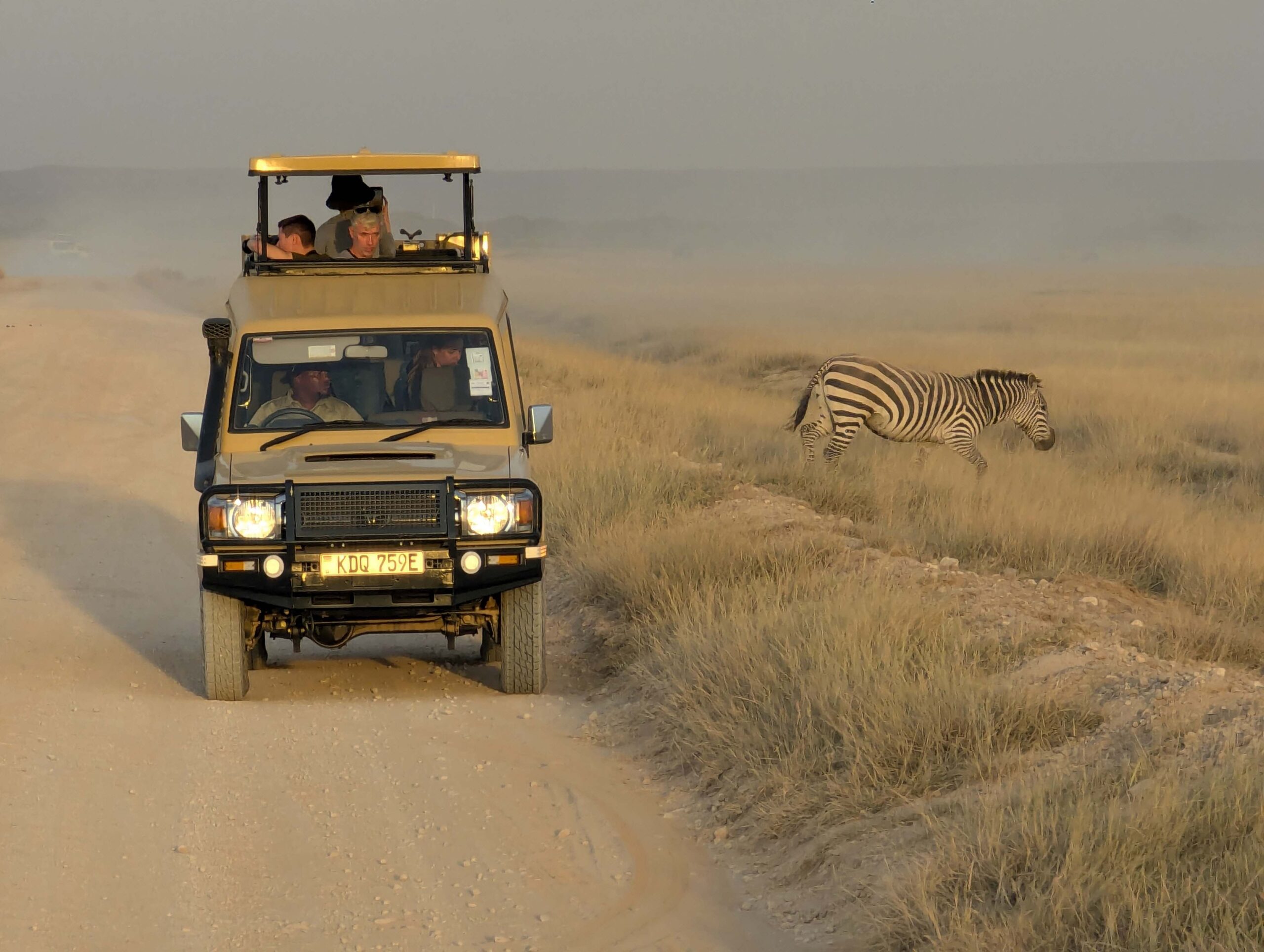
A Serengeti National Park safari is one of the most iconic wildlife experiences in the world. Known for its endless golden plains and extraordinary concentration of animals, Serengeti offers unmatched opportunities to witness Africa’s raw beauty and dramatic wildlife encounters.
From massive herds of wildebeest and zebra to powerful lions and elusive leopards, every game drive in Serengeti is filled with discovery. With expert guidance from Endepesi Safari — a locally based Northern Tanzania operator — visitors can explore remote regions and experience the park beyond the usual tourist routes.
Where is Serengeti National Park?
Serengeti National Park is located in northern Tanzania and forms part of the larger Serengeti ecosystem, which extends into Kenya’s Maasai Mara. The park covers over 14,000 square kilometers of savannah, woodlands, and river systems.
Serengeti is commonly visited as part of the Northern Tanzania Safari Circuit, which includes:
- Ngorongoro Crater
- Tarangire National Park
- Lake Manyara National Park
What Wildlife Can You See in Serengeti?
Serengeti is famous for its incredible biodiversity and high predator density.
Big Five Animals
- Lions
- Leopards
- Elephants
- Buffalo
- Rhinos (more common in Ngorongoro nearby)
Other Wildlife Highlights
- Cheetahs
- Hyenas
- Giraffes
- Zebras
- Wildebeest
- Hippos
- Crocodiles
Bird lovers can also spot hundreds of species including vultures, eagles, and colorful bee-eaters.
The Great Migration in Serengeti
The Serengeti hosts the world-famous Great Migration — a continuous movement of over 1.5 million wildebeest along with zebras and gazelles.
Migration Highlights by Season
- January–March: Calving season in Southern Serengeti
- April–June: Herds move north through Central Serengeti
- July–September: River crossings in Northern Serengeti
- October–December: Herds return south
Even outside migration months, Serengeti offers exceptional year-round wildlife viewing.
Best Time to Visit Serengeti National Park
Dry Season (June–October)
- Easier wildlife spotting
- Cooler temperatures
- Peak safari season
Green Season (November–May)
- Lush landscapes
- Fewer vehicles
- Excellent photography conditions
- Calving season predator action
Each season offers a unique experience, and local guides can recommend the best regions depending on travel dates.
Types of Serengeti Safari Experiences
Travelers can customize their safari based on interests and comfort level.
- Private Game Drive Safaris
- Luxury Lodge Safaris
- Mid-Range Tented Camp Safaris
- Photography Safaris
- Honeymoon Safaris
- Migration-Focused Safaris
- Fly-in Serengeti Safaris
What Does a Typical Serengeti Safari Day Look Like?
A normal safari day includes:
Early Morning Game Drive
Best time for predators and active wildlife.
Midday Relaxation
Return to camp or lodge for lunch and rest.
Afternoon Game Drive
Explore different areas and landscapes.
Evening at Camp
Sunset views, storytelling, and dinner under the stars.
Travel Tips for Visiting Serengeti
- Pack neutral-colored clothing
- Bring binoculars and camera gear
- Carry sunscreen and a hat
- Choose a private safari for flexibility
- Travel with experienced local guides
Why Explore Serengeti with Endepesi Safari?
As a locally based Northern Tanzania tour operator, Endepesi Safari offers:
- Experienced local safari guides
- Custom private itineraries
- Knowledge of seasonal wildlife movement
- Comfortable 4×4 safari vehicles
- Personalized service from planning to travel
Explore more, Experience more — with a team that knows Serengeti firsthand.
Start Planning Your Serengeti Safari
Serengeti is a destination that belongs on every traveler’s bucket list. Whether you want to follow the Great Migration or simply experience world-class wildlife viewing, our local experts can help design your perfect safari.